-
-
May 12, 2026
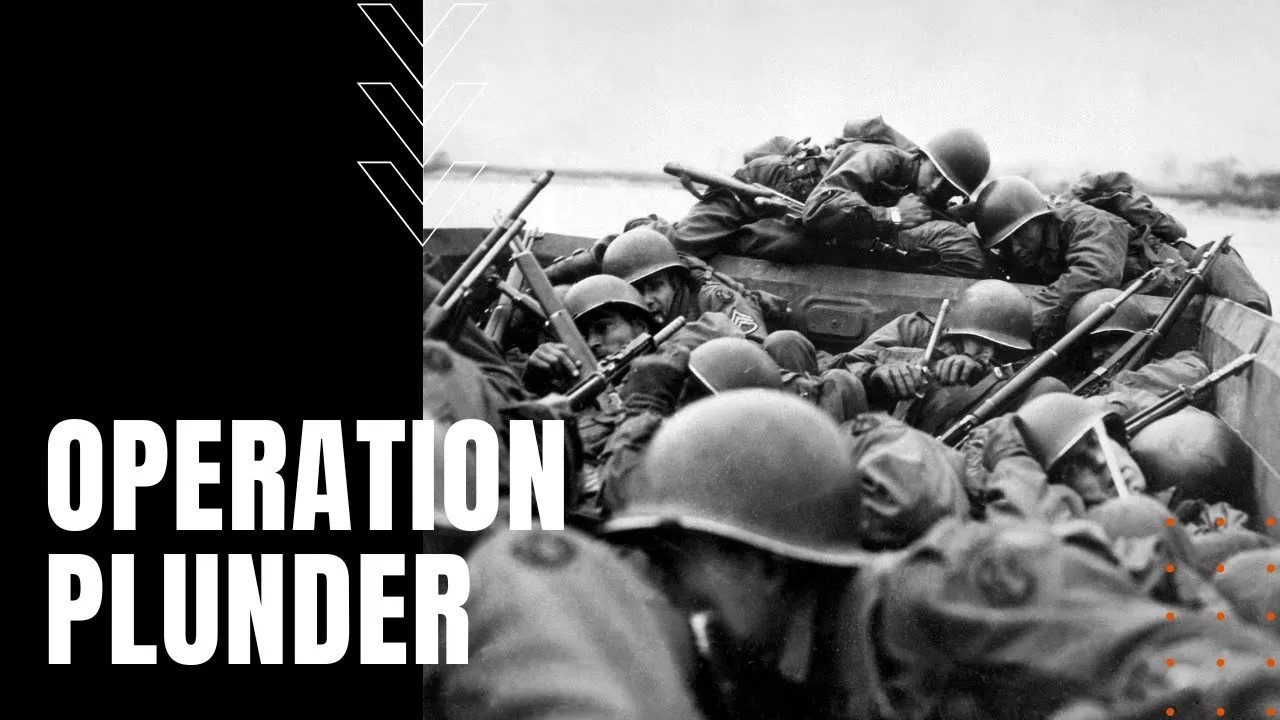
Operation Plunder
Operation Plunder was a World War II military campaign launched by Allied forces in April 1945 to cross the Rhine River and secure a foothold in Nazi Germany. It involved extensive aerial and ground assaults, successfully leading to the capture of the Rhine’s eastern bank. The operation played a crucial role in the Allied advance towards Berlin.
-
Today's Sponsor
Brought To You By
We are able to provide free content to you every single day because of ads like this.
-
January 2, 2024
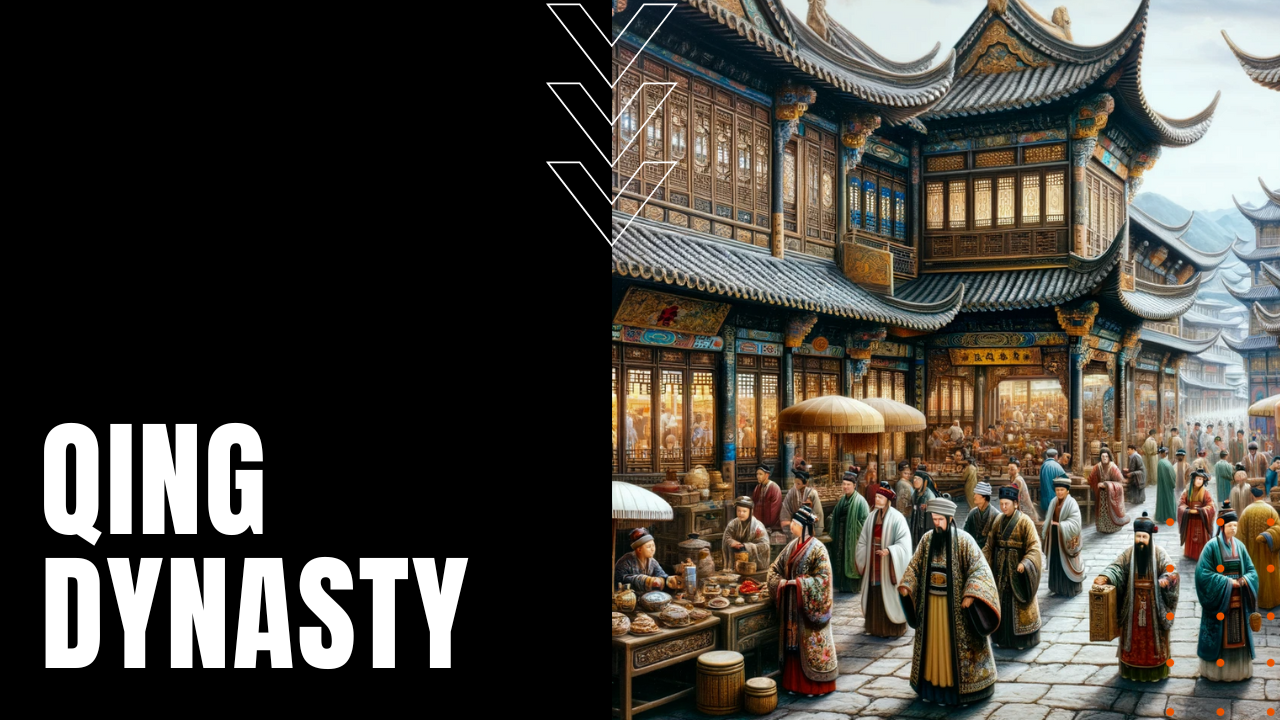
The Qing Dynasty
The Qing Dynasty was the last imperial dynasty of China, ruling from 1644 to 1912. It was established by the Manchu people, who overthrew the Ming Dynasty. The Qing Dynasty was known for its expansionist policies, as it conquered and incorporated various territories into its empire. It also experienced significant cultural and economic growth, but eventually faced internal and external pressures that led to its downfall and the establishment of the Republic of China.
-
-
January 1, 2024
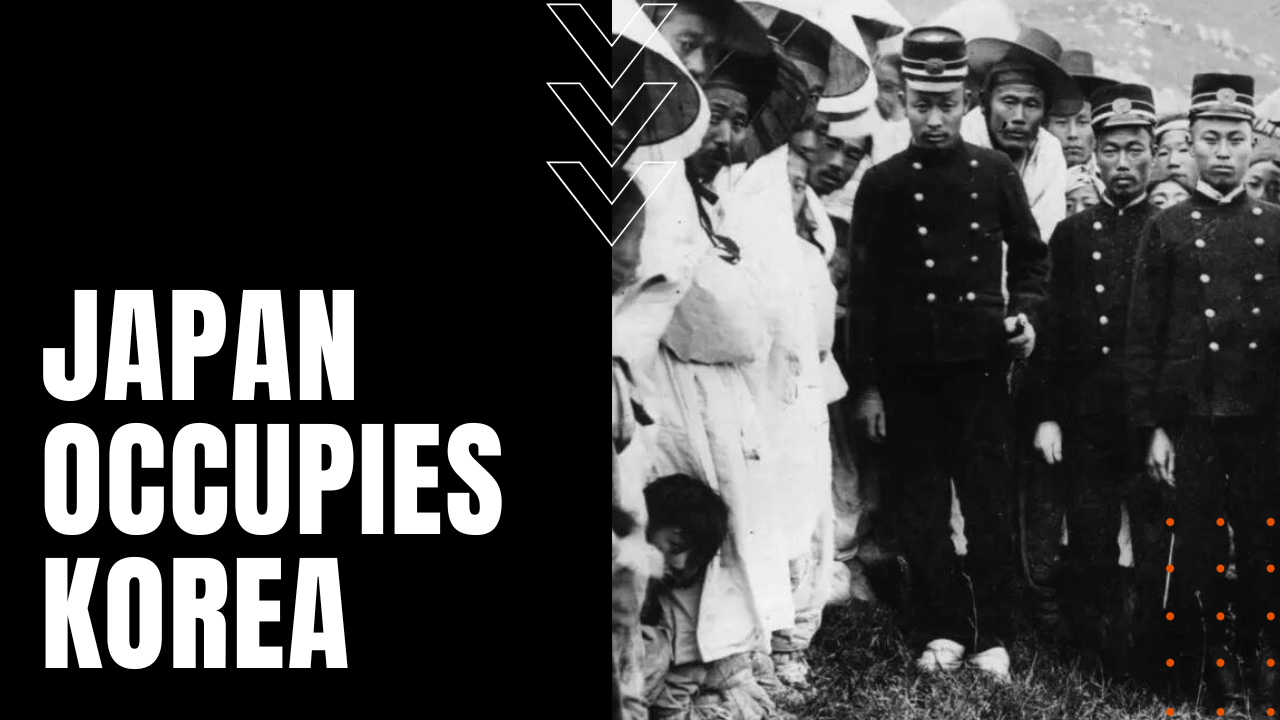
Japan’s Occupation of Korea
Japan’s Occupation of Korea refers to the period from 1910 to 1945 when Japan colonized and controlled the Korean Peninsula. During this time, Japan implemented various policies to assimilate Koreans into Japanese culture, suppress Korean nationalism, and exploit the country’s resources for its own benefit. The occupation was marked by forced labor, cultural suppression, and the imposition of the Japanese language and education system. It had a profound impact on Korean society and laid the foundation for future tensions between the two nations.
-
-
December 29, 2023
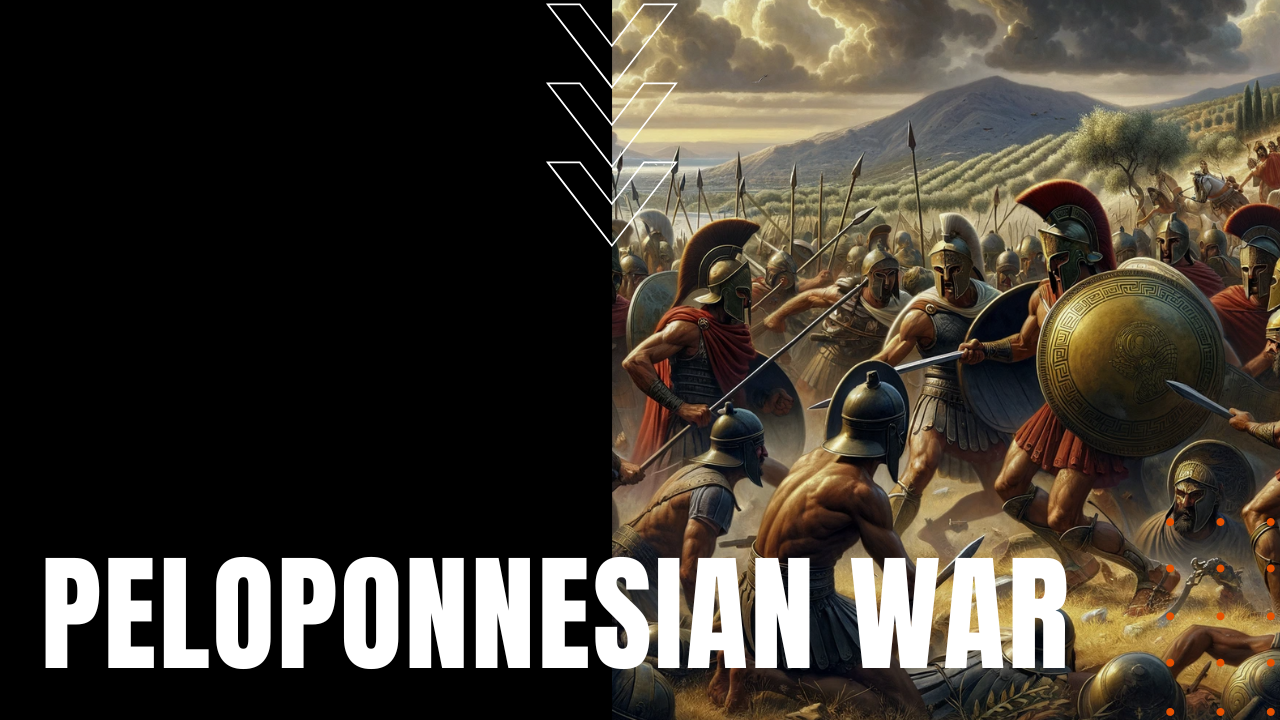
The Peloponnesian War
The Peloponnesian War was a conflict between the city-states of Athens and Sparta in ancient Greece. Lasting for over 27 years, it was a power struggle for dominance in the region. The war resulted in the decline of Athens and the rise of Sparta as the leading city-state. It had a profound impact on Greek society and politics, ultimately leading to the downfall of the Greek city-states and the rise of Macedon under Alexander the Great.
-
-
December 28, 2023
Louis Pasteur
Louis Pasteur, born 1822 in France, revolutionized microbiology with germ theory, pasteurization, and vaccines for anthrax and rabies. He founded the Pasteur Institute.
-

-
December 27, 2023
Samuel Johnson
Samuel Johnson was an 18th-century English writer, poet, and lexicographer. He is best known for his comprehensive dictionary, “A Dictionary of the English Language,” which took him nine years to complete. Johnson’s dictionary was a significant achievement in the standardization of the English language. He also wrote numerous essays, poems, and plays, and was a prominent figure in the literary circles of his time.
-

-
December 26, 2023
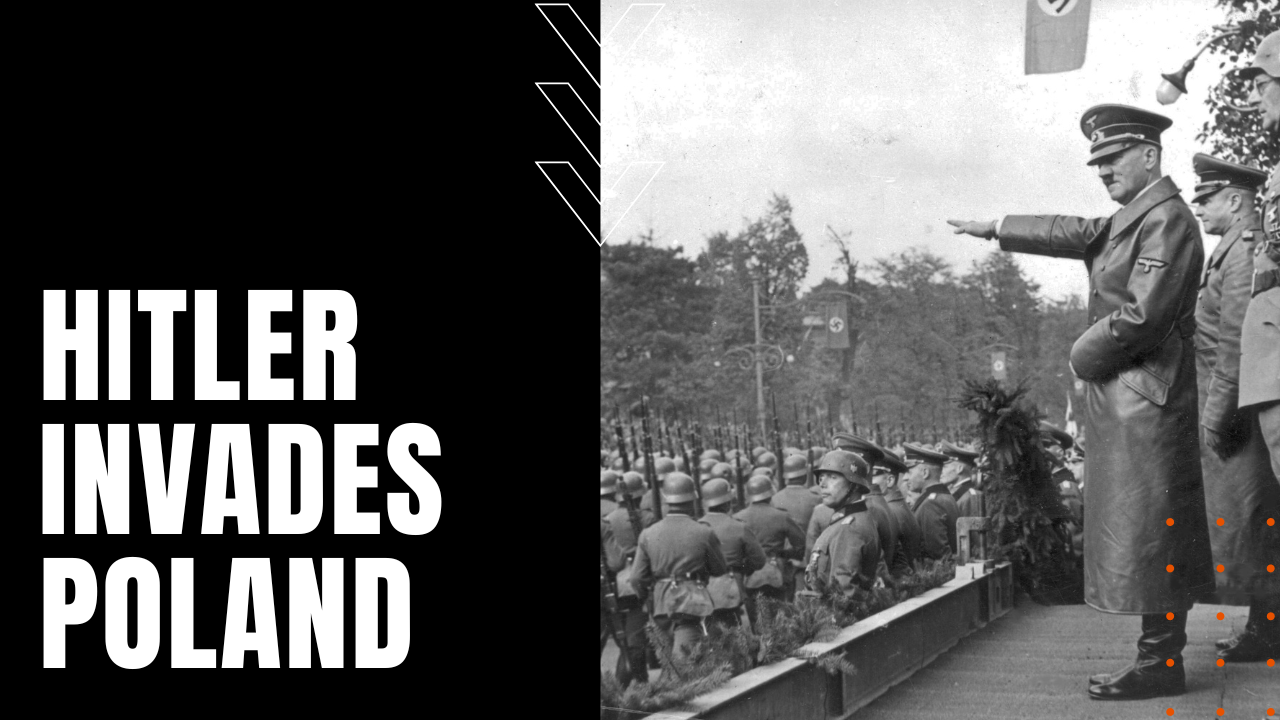
Hitler Invades Poland
On September 1, 1939, Adolf Hitler’s Nazi Germany launched a full-scale invasion of Poland. This aggressive act marked the beginning of World War II and led to widespread devastation and loss of life. The output of this event was a significant escalation of global conflict and the subsequent involvement of numerous countries in the war.
-
-
December 25, 2023
The Life of Deer
Deer, belonging to the family Cervidae, are hoofed mammals found on every continent except Antarctica and Australia, including a single species in Africa. This diverse group contains 47 species across 23 genera, such as muntjac, elk, red and fallow deer, caribou, white-tailed and roe deer, moose, and others. Historically, deer have been vital for human survival, mythology, and religion. However, they also carry diseases like bovine tuberculosis, impacting agriculture.
-