-
-
May 12, 2026
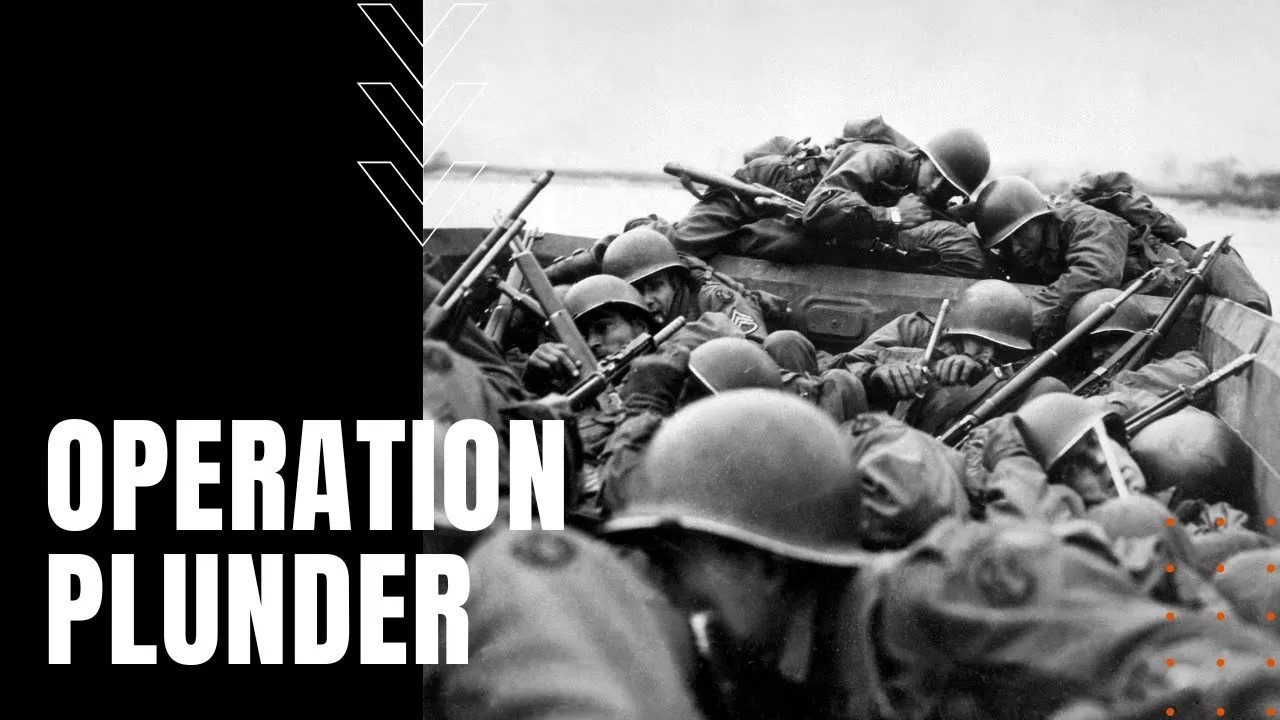
Operation Plunder
Operation Plunder was a World War II military campaign launched by Allied forces in April 1945 to cross the Rhine River and secure a foothold in Nazi Germany. It involved extensive aerial and ground assaults, successfully leading to the capture of the Rhine’s eastern bank. The operation played a crucial role in the Allied advance towards Berlin.
-
Today's Sponsor
Brought To You By
We are able to provide free content to you every single day because of ads like this.
-
December 22, 2023
History of Typewriters
The quest for a practical typewriter began in 1714 with Henry Mill’s conceptual design in Great Britain. William Austin Burt patented the “Typographer” in 1828, but its only model was destroyed in a fire. The first successful typewriter, introduced in 1873 by Sholes, Soule, and Glidden, used the QWERTY layout, still prevalent in modern keyboards. The late 19th and 20th centuries saw significant advancements, including shift keys and portable designs. The rise of word processors and computers eventually rendered typewriters obsolete.
-

-
December 21, 2023
The Life of Frogs
Frogs, with over 7,000 species, are a diverse and largely carnivorous group of amphibians dating back to the Permian Period, around 265 million years ago. Found globally except in Antarctica, they represent 88% of all amphibians. Male frogs have unique calls for mating, and their lifecycle includes a metamorphosis from water-breathing tadpoles to land-capable adults. Frogs’ skin plays a vital role in respiration and health. However, since the 1980s, over 120 species have gone extinct, with a third threatened by habitat loss, pollution, and diseases like chytridiomycosis, highlighting significant environmental concerns.
-

-
December 20, 2023
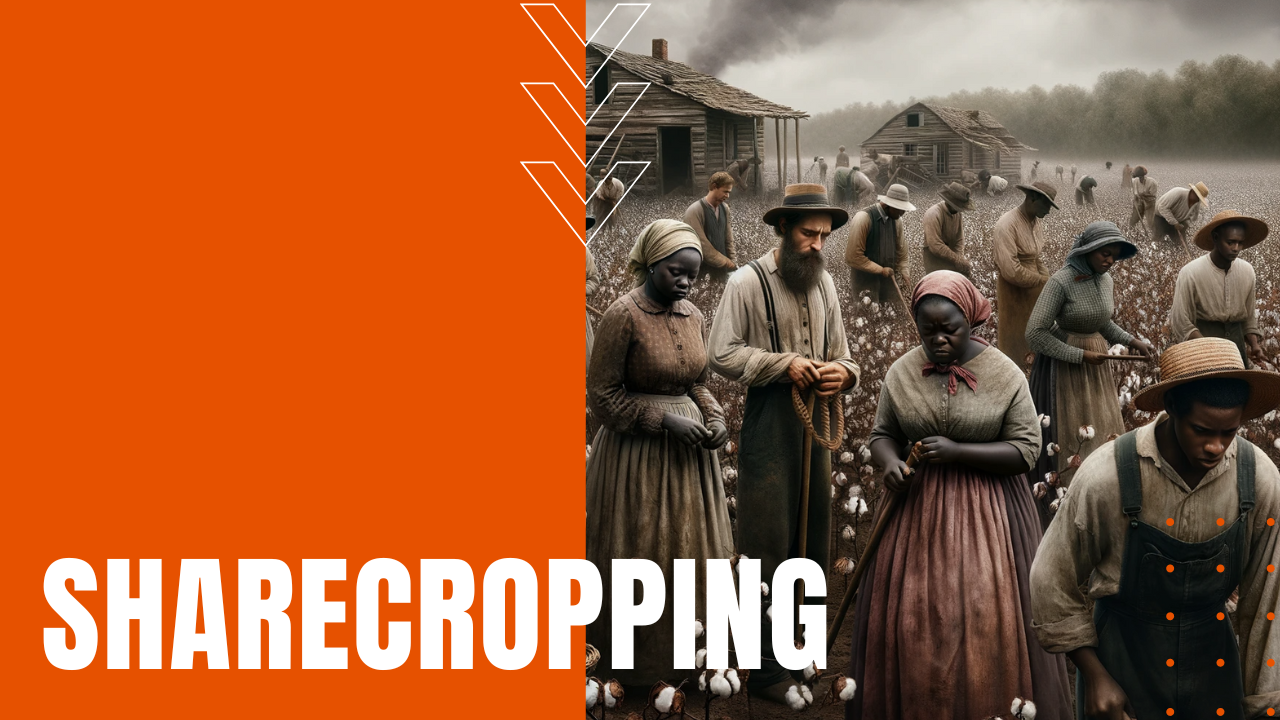
Sharecropping in the American South
Sharecropping in the American South was a system of agricultural labor that emerged after the Civil War. Under this system, landowners would provide land, tools, and supplies to farmers, who would then work the land and give a portion of their crops as rent. However, sharecroppers often faced exploitation and poverty, as they were trapped in a cycle of debt and dependence on the landowners. This system perpetuated racial and economic inequality in the region.
-
-
December 19, 2023
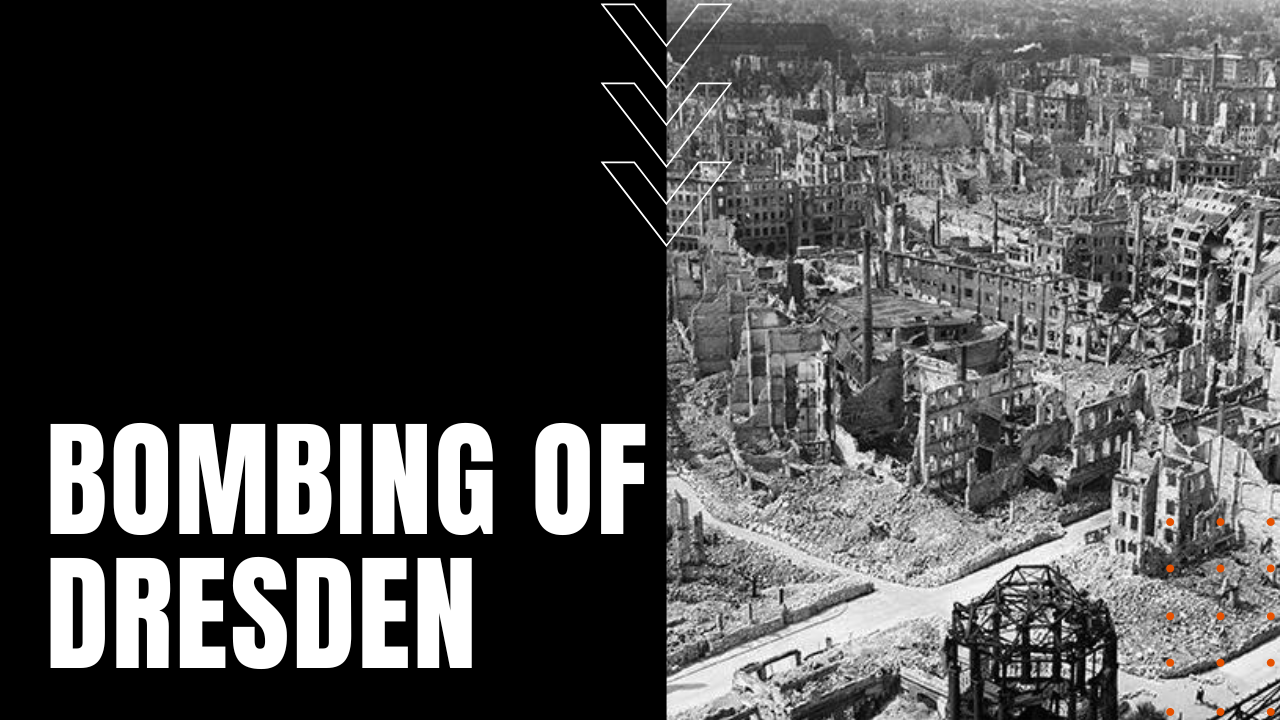
Bombing of Dresden
The bombing of Dresden refers to the devastating air raids carried out by the Allies during World War II. Taking place between February 13 and 15, 1945, the bombings resulted in the destruction of the historic city of Dresden, Germany. The attack caused significant loss of life and sparked debates about the morality and effectiveness of targeting civilian populations.
-
-
December 18, 2023
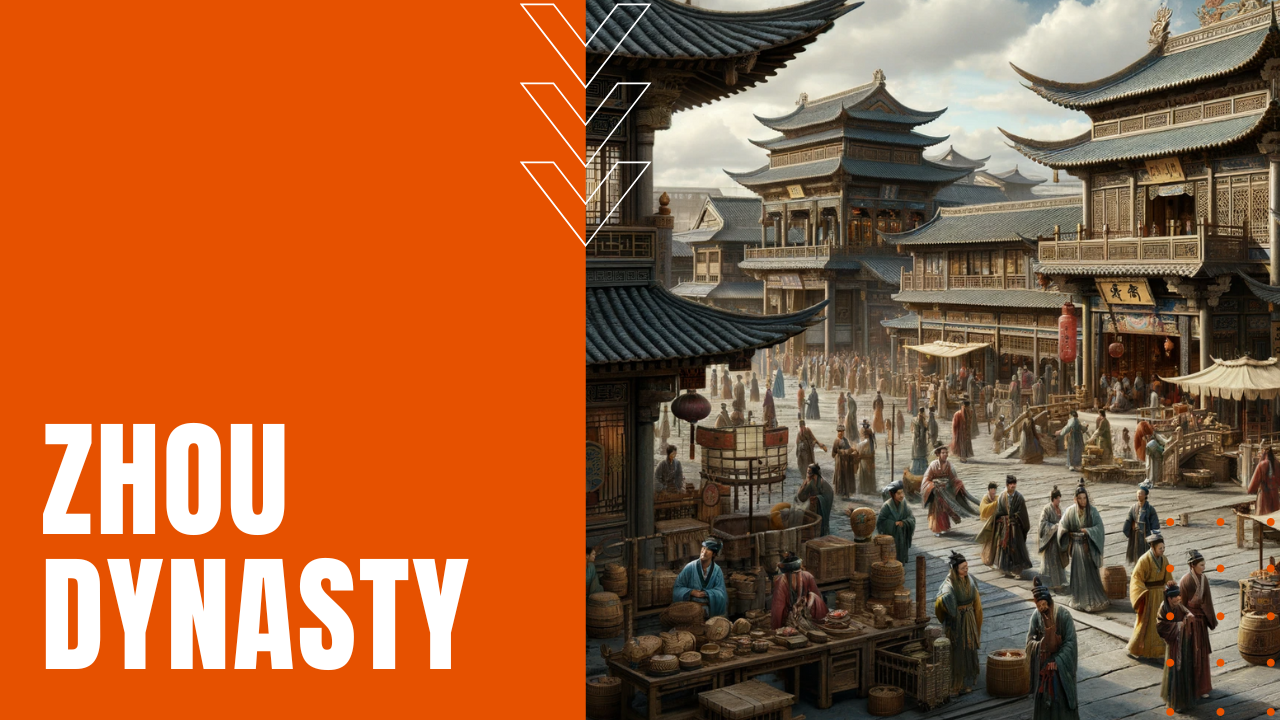
The Zhou Dynasty
The Zhou Dynasty was the longest-lasting dynasty in Chinese history, ruling from 1046 to 256 BCE. It was characterized by a feudal system, with the king as the central authority and regional lords governing their own territories. The dynasty saw significant advancements in agriculture, technology, and philosophy, including the development of Confucianism and Taoism. However, it eventually declined due to internal conflicts and external invasions.
-
-
December 15, 2023
Gutenberg’s Printing Press
Gutenberg’s Printing Press revolutionized the way information was disseminated in the 15th century. This innovative invention allowed for the mass production of books, making them more accessible to the general public. By using movable type, Gutenberg’s press enabled faster and more efficient printing, leading to a significant increase in literacy rates and the spread of knowledge across Europe.
-

-
December 14, 2023
The Last Cape Horners
Sailing ships, once vital for global commerce and warfare, were eclipsed by steamships in the 19th century. Gustav Erikson, defying this trend, built the last significant sailing fleet, operating from Mariehamn, Finland. Post-WWI, he expanded his fleet with surrendered German ships, focusing on the challenging grain trade between Australia and Europe. Known as the Grain Races, these voyages marked the twilight of the clipper era, which ended after WWII due to technological advances and wartime losses, culminating with Erikson’s death in 1947.
-