-
February 28, 2022
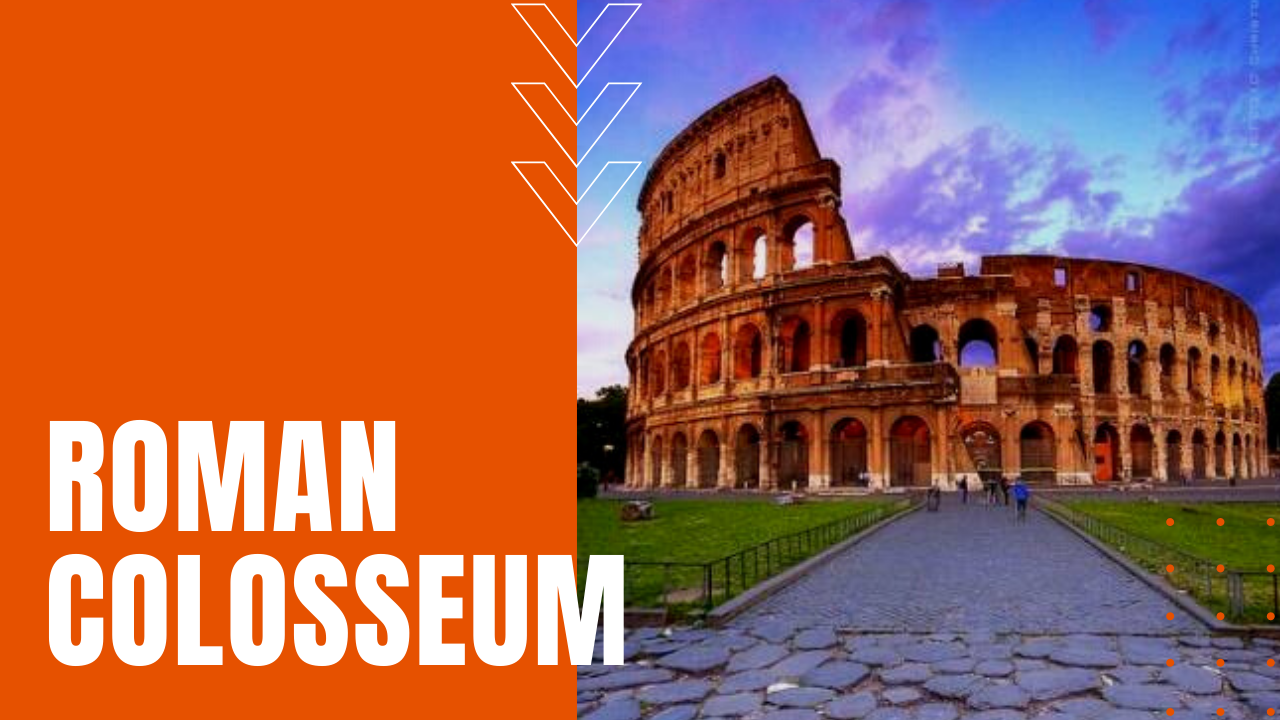
Roman Colosseum: Construction, Contemporary Use and Conservation
After Emperor Nero’s decadent rule and flurry of successors, Emperor Vespasian tore down Nero’s Palace to build an amphitheater for the people — the Roman Colosseum was completed in 80 A.D. Gladiators, animal fights and mock naval battles were used to entertain Romans.
-
-
February 25, 2022
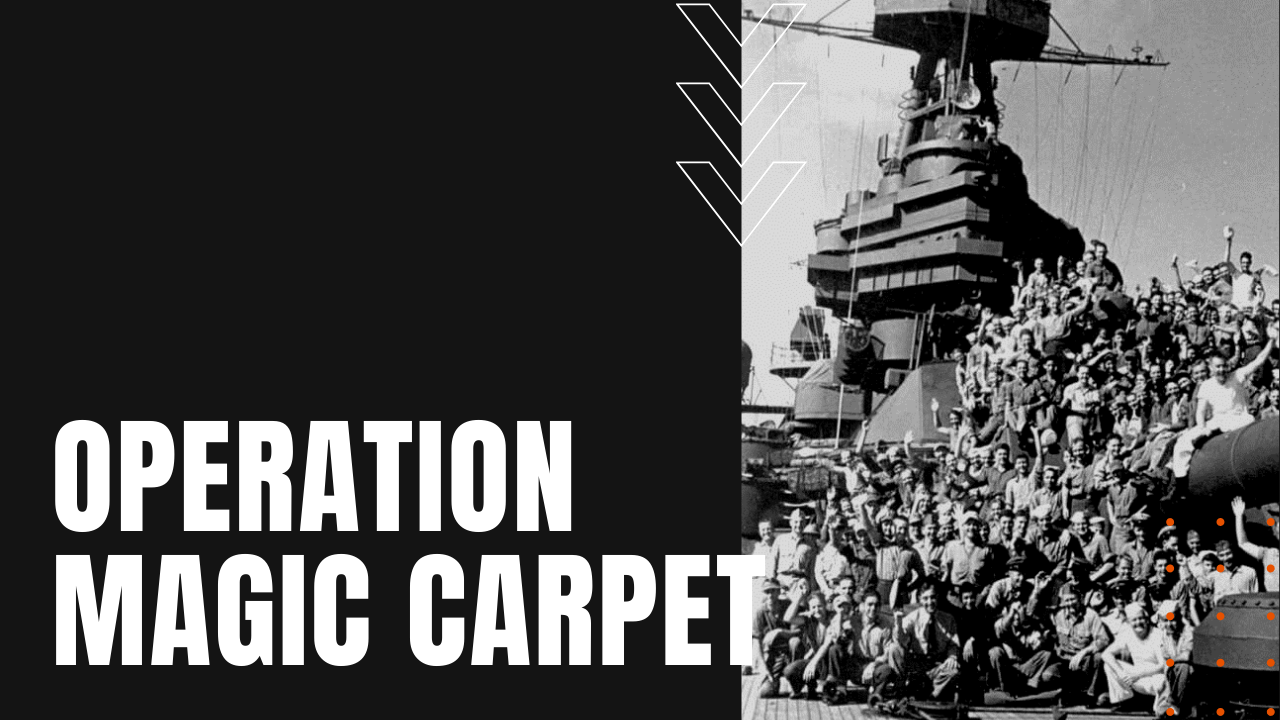
Operation Magic Carpet: Repatriation of WWII Troops
As World War Two ended, Operation Magic Carpet was the US response to the logistical challenge of repatriating more than 8 million servicemen and women to North America. The operation proved to be the largest mass movement of humanity in recorded history.
-
-
February 17, 2022
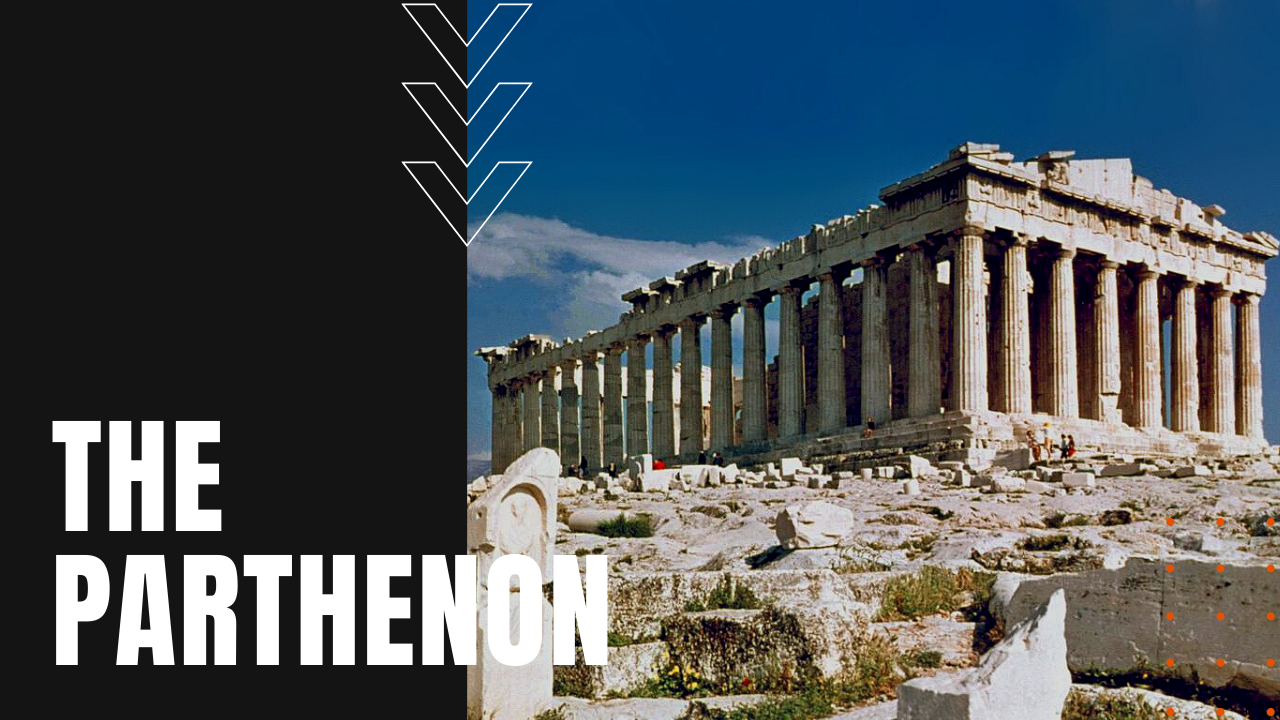
The Parthenon: Classical Greek Structure of Doric Order Architecture
The Parthenon was constructed atop the Acropolis in Athens, Greece between 447 and 432 B.C.E. It has had many purposes, served multiple religions and withstood numerous attacks and natural disaster.
-
-
February 16, 2022
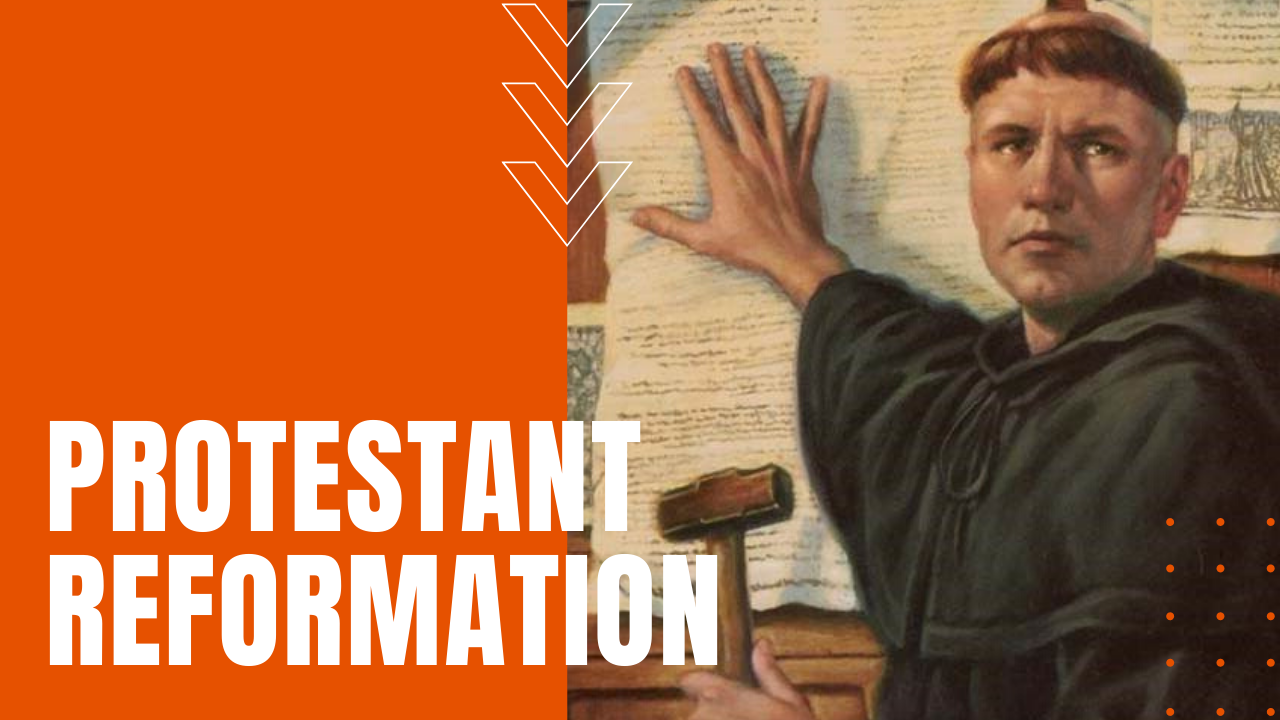
The Protestant Reformation
Beginning with Martin Luther’s “95 Theses” in 1517, the Protestant Reformation was a period of religious reform as the Catholic Church grew more powerful, wealthy and corrupt. New denominations of Christianity would emerge with a heavier focus on spirituality.
-
-
February 14, 2022
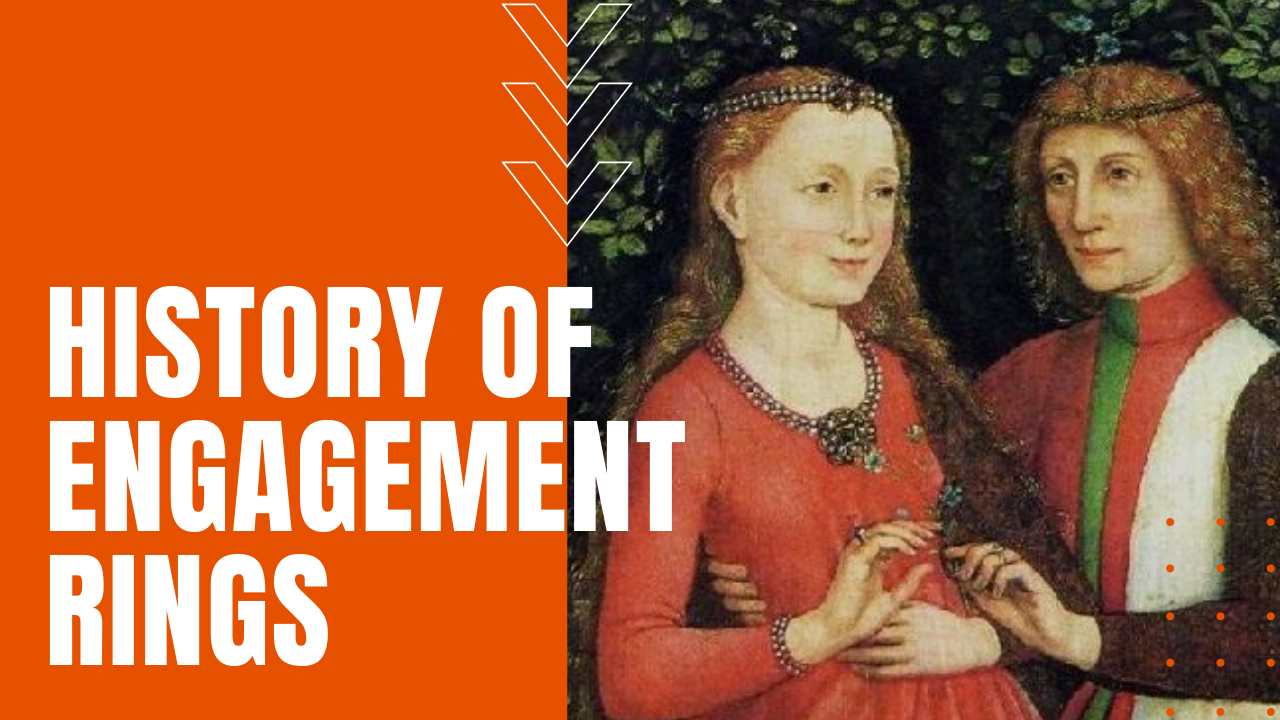
History of Engagement Rings
The history of engagement rings used to declare a man’s intent to marry a woman was officially recognized in 850 A.D. by Pope Nicholas I. The first diamond engagement ring was commissioned by Archduke Maximillian of Austria in 1477.
-
-
February 2, 2022
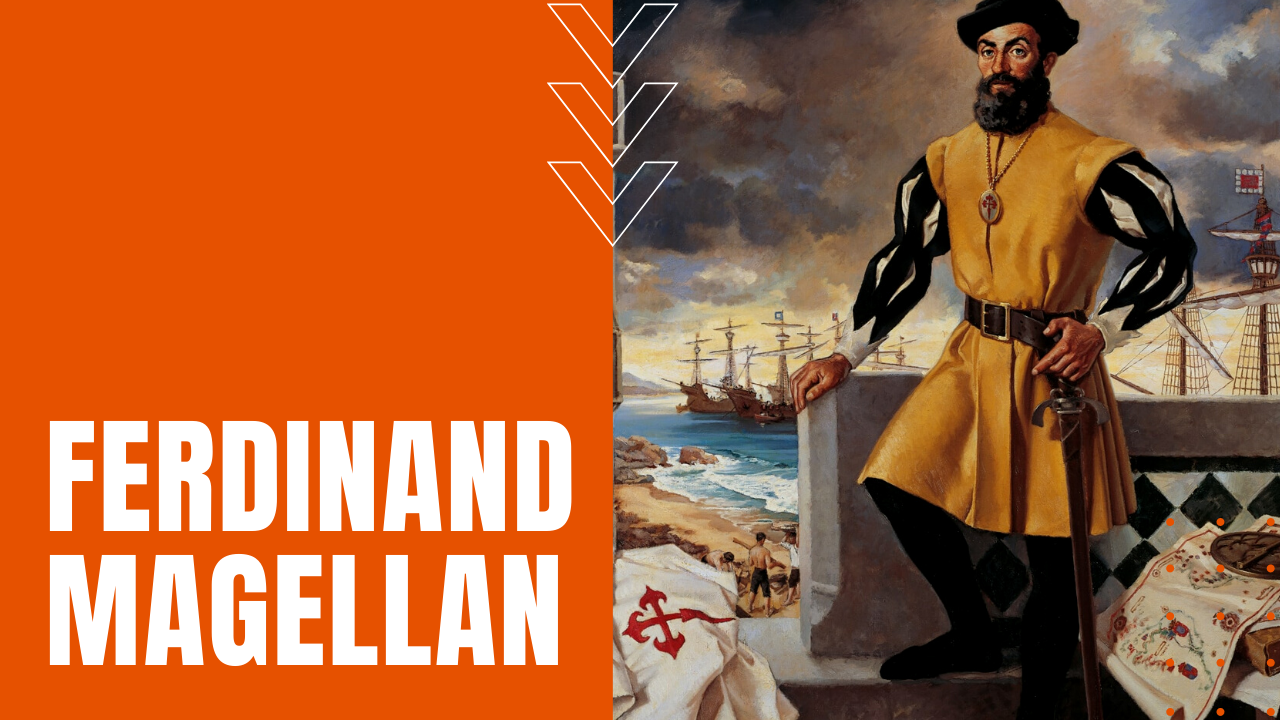
Ferdinand Magellan: Exploration, Route and Discovery
Portuguese turned Spanish explorer, Ferdinand Magellan set sail with funding from the King of Spain to find a quick and lucrative route to the Spice Islands. After traversing the Atlantic Ocean and discovering the Pacific Ocean, Magellan died suddenly, leaving his crew to finish the circumnavigation.
-
-
January 24, 2022
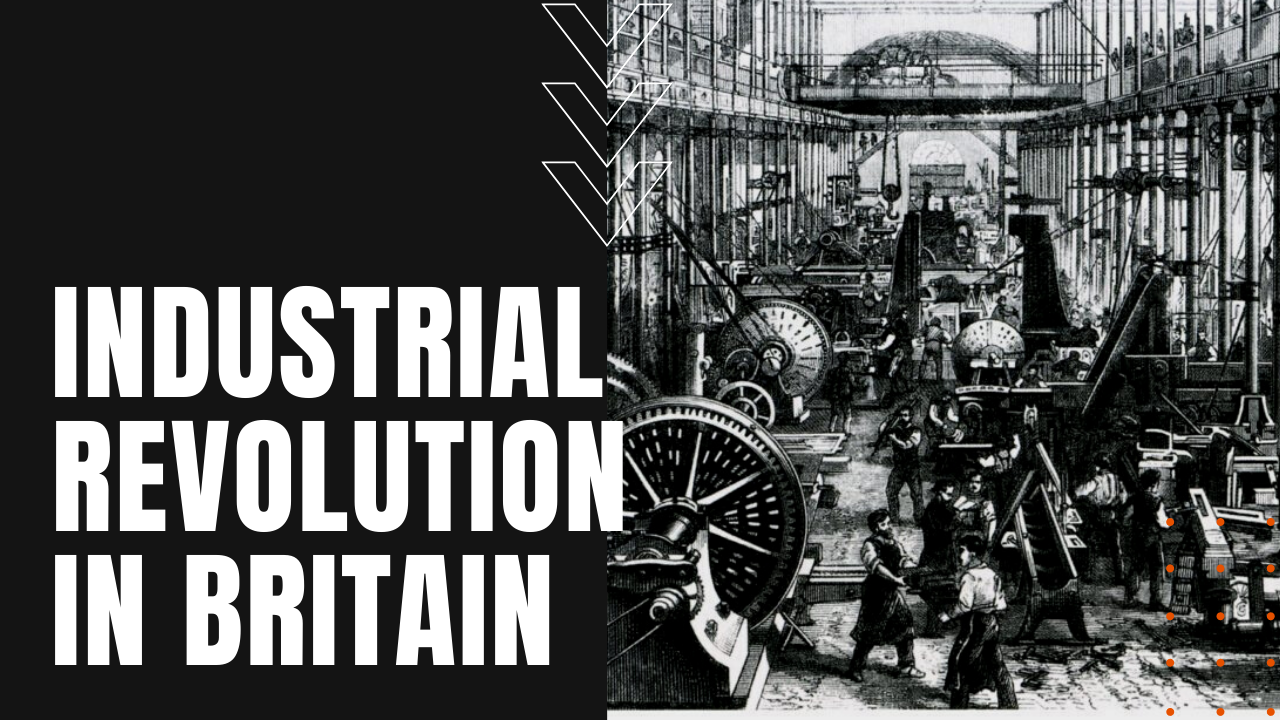
The Industrial Revolution in Britain
The industrial revolution in Britain started with the steam engine and other innovations in engineering and manufacturing, leading many to urbanize and work long, dangerous hours in factories. With the rise of industrialization in Great Britain, a wealth divide between the low, middle and upper classes emerged.
-