-
April 25, 2023
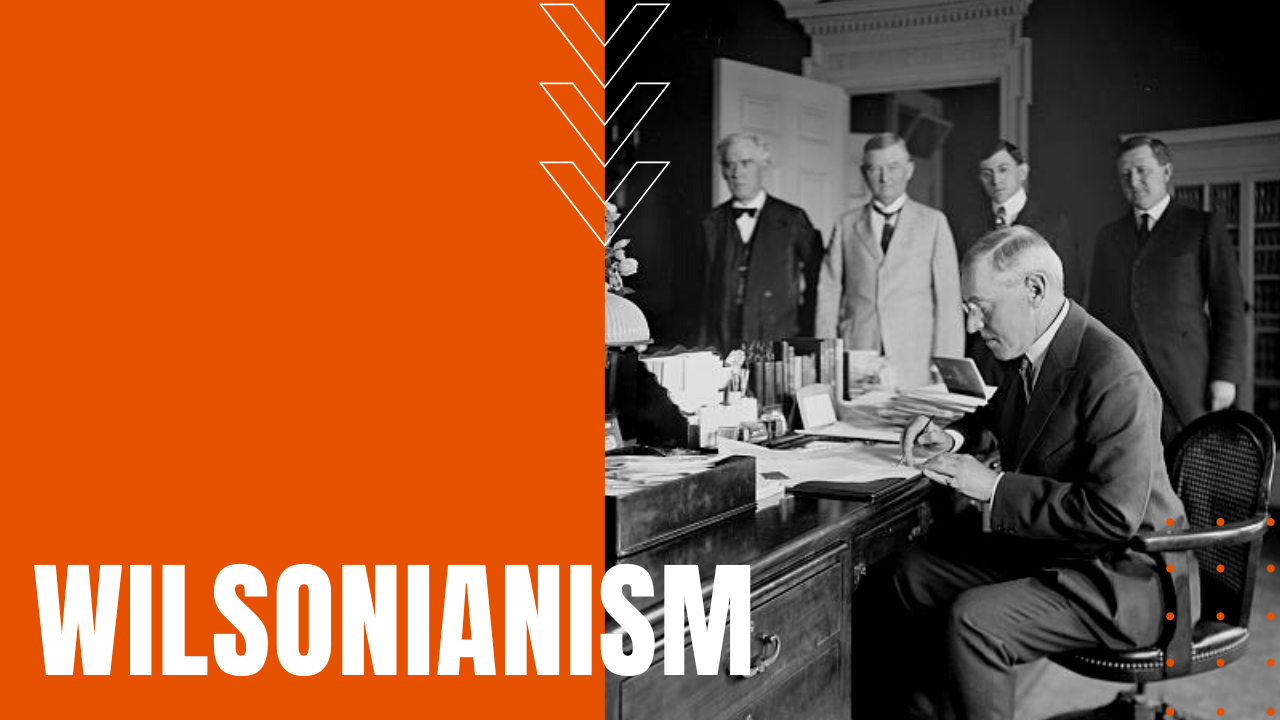
Communication Techniques of Early Man
Early human communication likely consisted of nonverbal cues such as gestures, facial expressions, and body language, as well as vocalizations, as well as cave paintings that informed others about herd migrations and mating seasons.
-
-
April 21, 2023
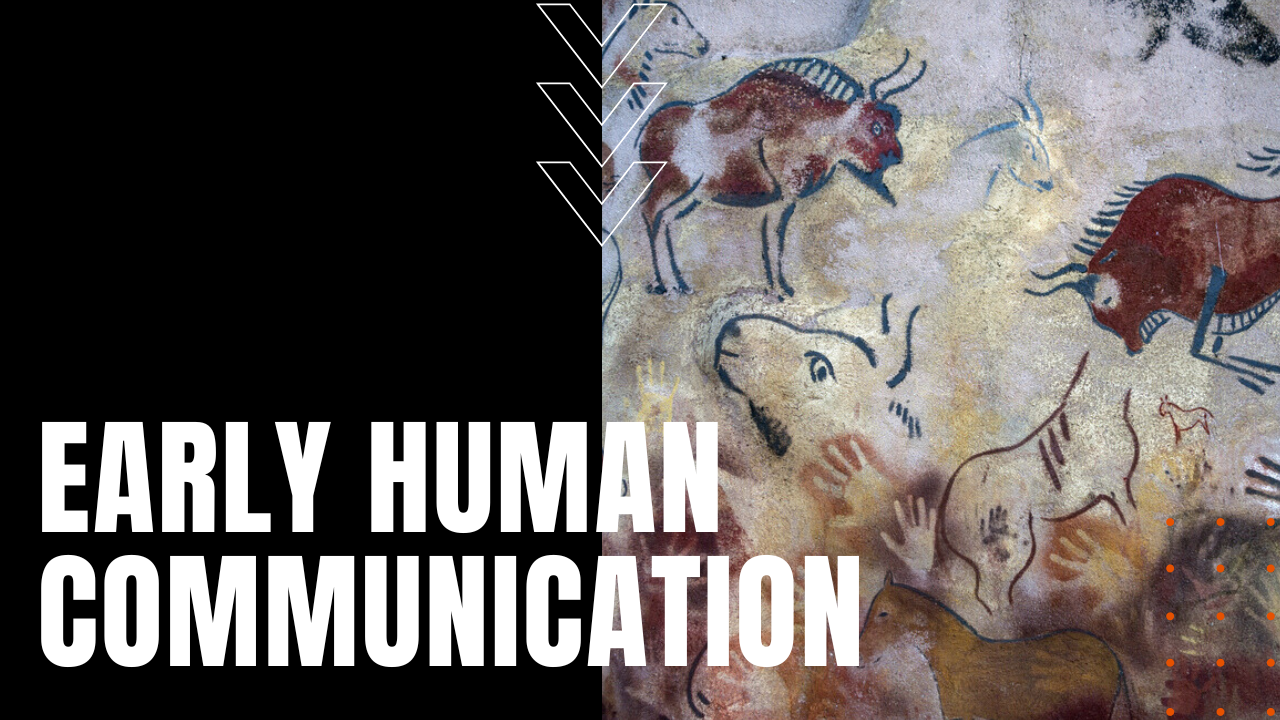
Francisco Pizarro
Francisco Pizarro (c. 1471-1541) was a Spanish conquistador who conquered the Inca Empire and founded Lima, Peru, in the 16th century.
-
-
April 14, 2023
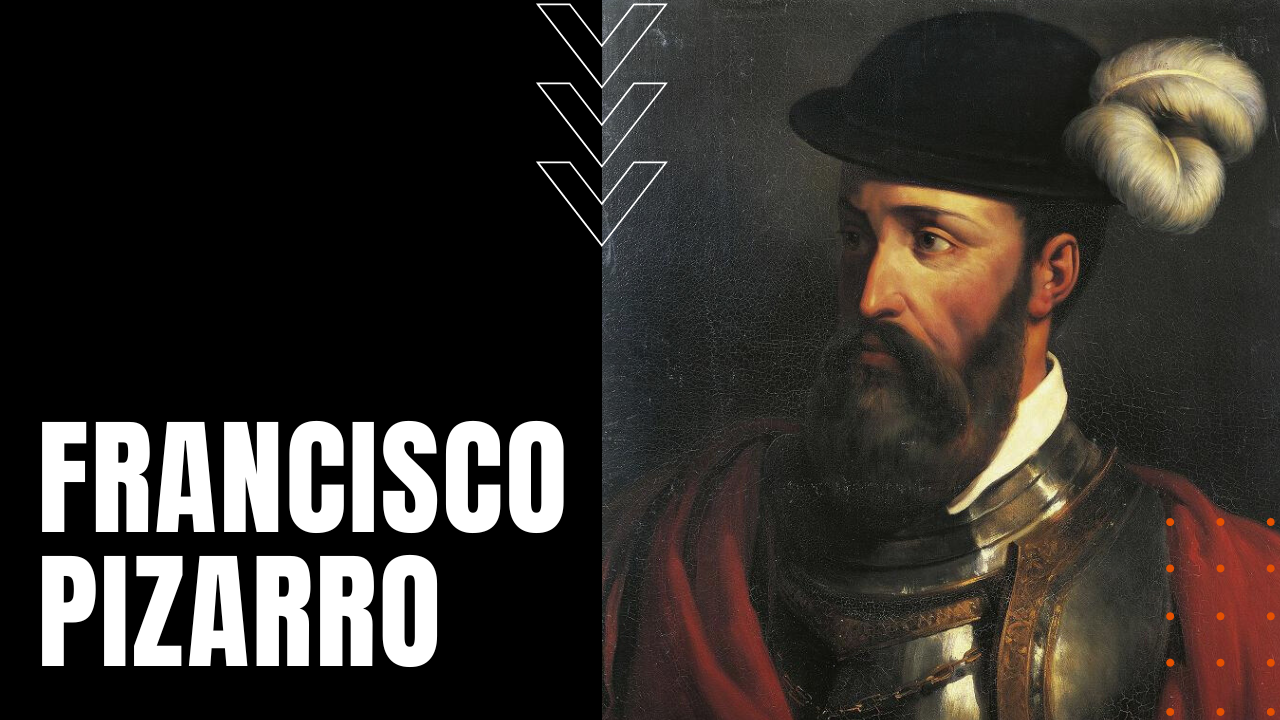
Eleanor of Aquitaine
Eleanor of Aquitaine (1122-1204) was a powerful queen consort of France and England, known for her intelligence, political savvy, and patronage of the arts.
-
-
April 12, 2023
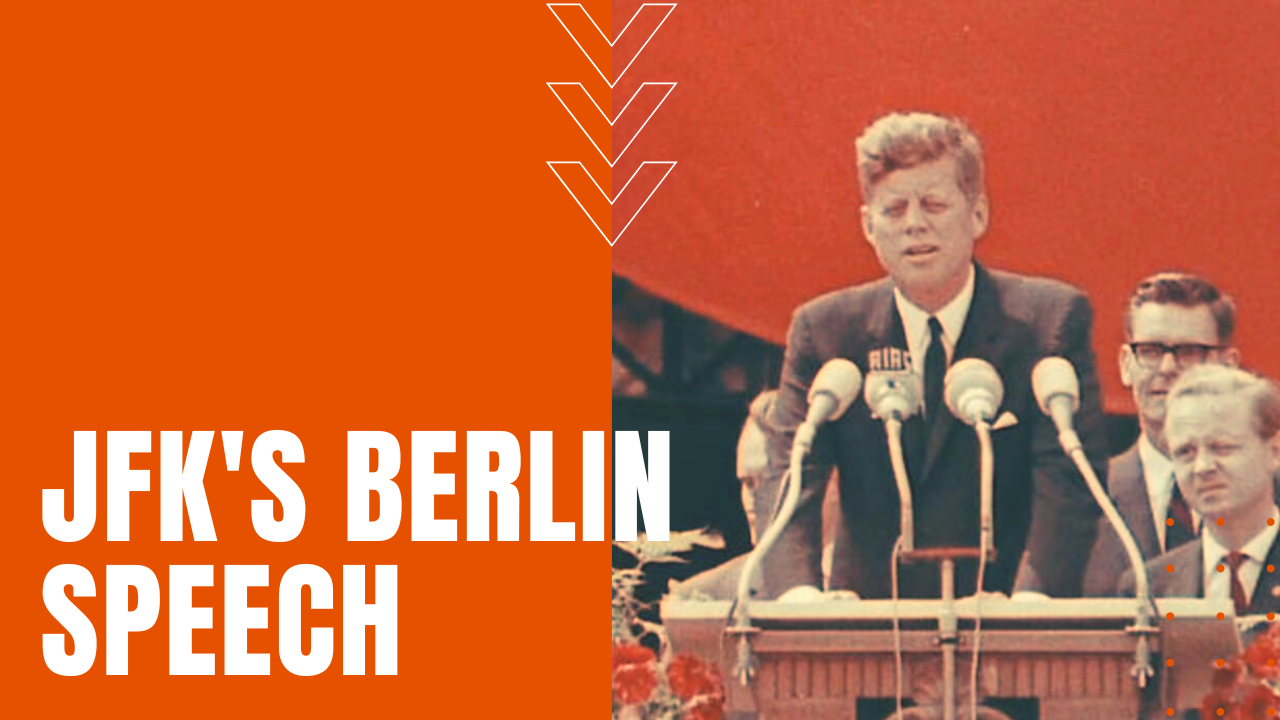
JFK’s Ich Bin Ein Berliner Speech
In 1963, US President John F. Kennedy gave a famous speech in Berlin, Germany, declaring “Ich bin ein Berliner” (“I am a Berliner”) in support of the city’s people who were divided by the Berlin Wall. The speech symbolized US solidarity with West Berlin and opposition to Soviet control of East Germany.
-
-
April 11, 2023
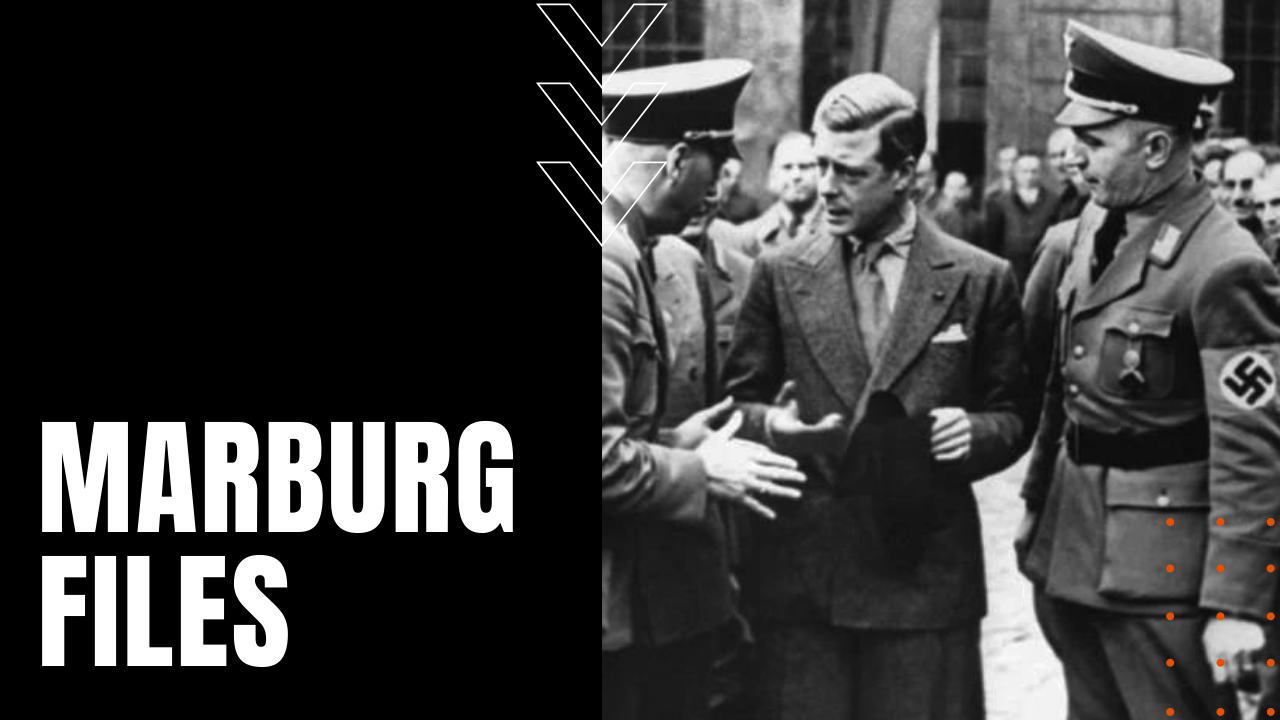
The Marburg Files
The Marburg Files, also known as the Nazi Secret Service Files, were documents detailing espionage activities of the Nazi regime in Central America, Mexico, and the Caribbean before and during World War II. The files were discovered in 1946 and helped to expose the extent of Nazi influence in the region, as well as the complicity of some Latin American governments.
-
-
April 7, 2023
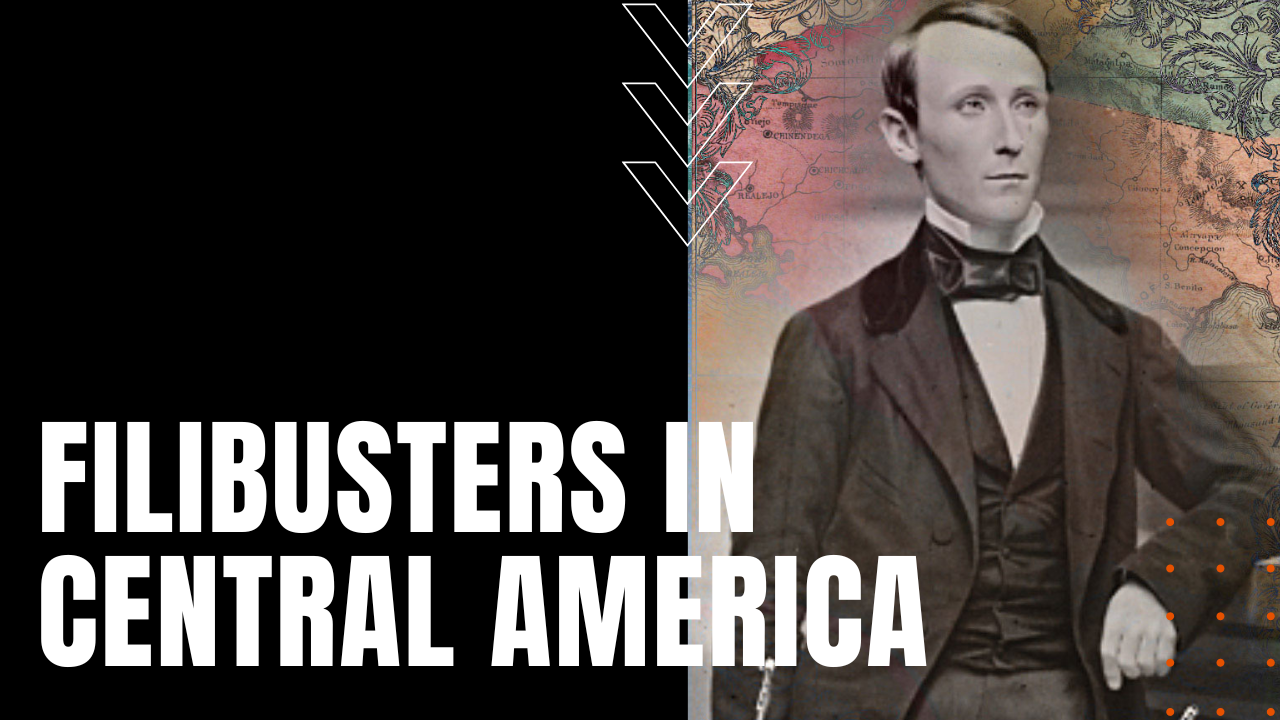
Filibusters in Central America
The term “filibuster” refers to the actions of US citizens who attempted to seize control of countries in Central America in the 19th century. These individuals, also known as “filibusteros,” often acted without the support of the US government and were motivated by various political and economic interests. The filibusters were involved in conflicts in Nicaragua, Honduras, and other countries, but ultimately failed to establish lasting control.
-
-
March 17, 2023
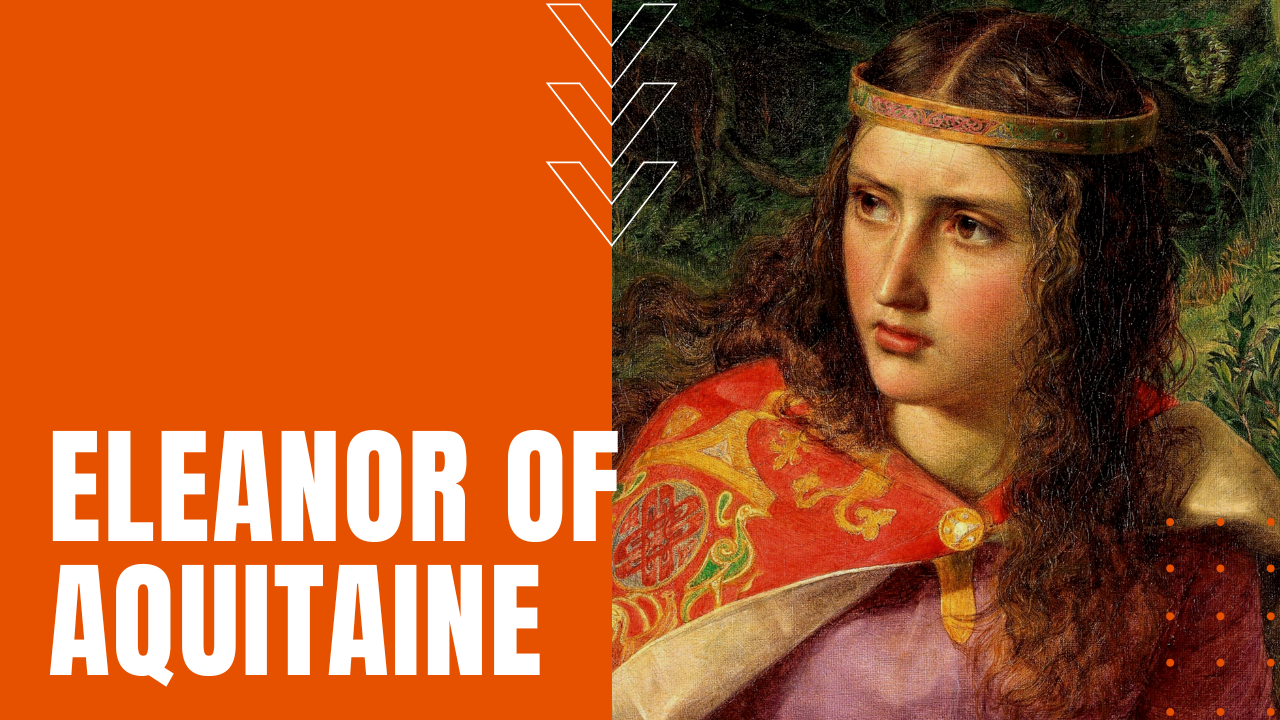
Wilsonianism: Woodrow Wilson’s Post-World War I Era Geopolitics
Wilsonianism refers to the foreign policy and political philosophy of U.S. President Woodrow Wilson, characterized by a belief in international cooperation, democracy, and self-determination. Wilson’s ideas were influential in the creation of the League of Nations and the post-World War I order.
-